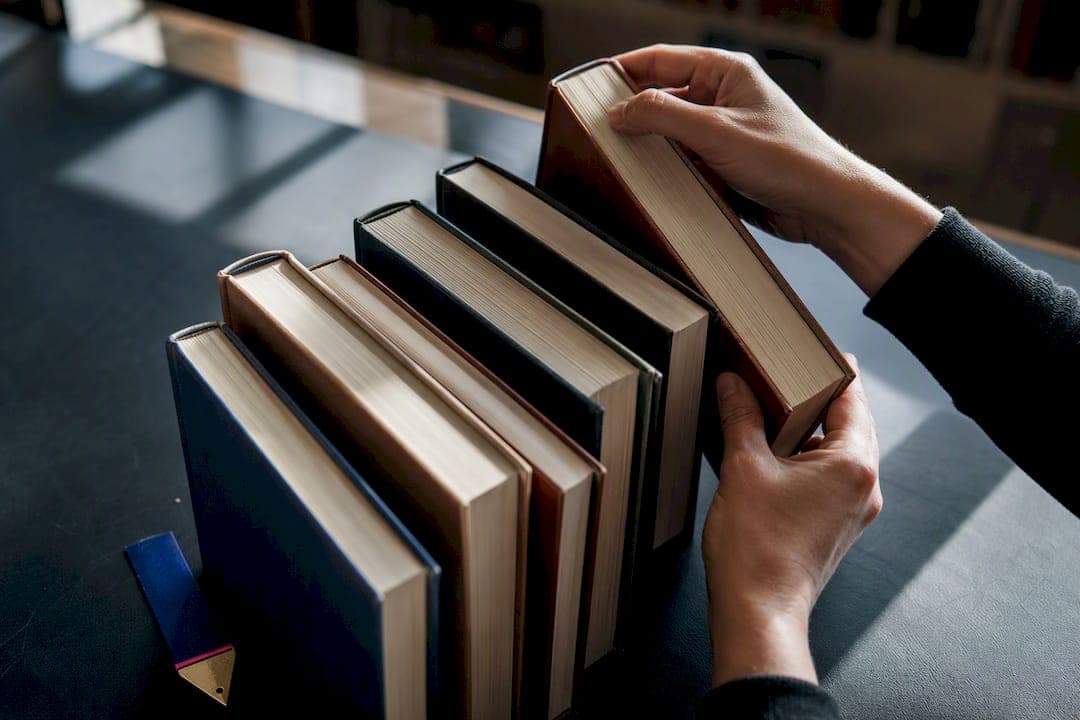
Here is a curated shelf of contemporary, award-recognized books by living Indigenous authors, ready to buy or borrow this week. The list spans literary fiction, memoir, poetry, and YA, chosen because the authors carry documented community ties and because the titles have earned real recognition from bodies like the American Library Association. Each pick below tells you exactly why it made the cut.
TL;DR:
- Most contemporary Indigenous authors have documented tribal affiliations, making self-identification alone insufficient for verifying cultural authority.
- Major awards like the Printz and recognition from the American Library Association are trusted indicators of authenticity and quality.
- Fiction titles such as There There and The Night Watchman are foundational works that challenge stereotypes and highlight Indigenous urban life and history.
- Nonfiction like Braiding Sweetgrass and An Indigenous Peoples' History offer essential context and critique from Native perspectives.
- Engagement with Indigenous communities through authors' public sources, endorsements, and literary events enriches understanding beyond the books themselves.
Table of Contents
- The Best Indigenous Authors Books to Read First
- Genre-by-Genre Picks for Every Kind of Reader
- How to Verify an Indigenous Author's Cultural Authority
- How Bookaholic Podcast Curates These Picks
- Why Indigenous Literature Carries Historical Weight
- The Cultural Ripple Effect of Indigenous Writers
- Reading Indigenous Books with Care and Context
- Where to Find New Indigenous Voices
- Why This Shortlist Matters to Me
- Keep the Recommendations Coming with Bookaholic
- Where to Verify Awards and Find More Reading Lists
- Sources
- FAQ
The Best Indigenous Authors Books to Read First
Start here if you want a shortlist instead of a syllabus. These selections cover the range of contemporary Indigenous literature, from horror to essay collections, and each has earned significant recognition such as major awards, fellowships, or critical acclaim that make them safe first picks for a reading list.
- There There by Tommy Orange. A polyphonic novel following twelve characters converging on a powwow in Oakland, California. Orange writes urban Native life without a single stereotype, which is rarer in fiction than it should be.
- There’s a spiritual cousin for poetry lovers: work by Joan Naviyuk Kane, an Inupiaq poet who received the 2026 Shelley Memorial Award and a 2025 United States Artists Fellowship. Her collections belong on any serious poetry shelf.
Genre-by-Genre Picks for Every Kind of Reader
Not every reader wants the same shelf. Some want to be scared, some want to cry, some want a poem they can carry in their pocket. Here's how the field breaks down by category.
Fiction. There There, The Night Watchman, and Bad Cree anchor the literary and horror side. Add The Removed for its dreamlike structure, Winter Counts by David Heska Wanbli Weiden for a hard-boiled crime novel set on the Rosebud Reservation, and Ceremony by Leslie Marmon Silko, a foundational 1977 novel about a Laguna Pueblo veteran returning from World War II that still influences how contemporary Native fiction gets written.
Memoir and nonfiction. Braiding Sweetgrass leads this category, alongside Heart Berries for raw personal narrative. An Indigenous Peoples' History of the United States by Roxanne Dunbar-Ortiz offers the cultural-critique angle, reframing American history from a Native standpoint rather than a settler one. Readers drawn to essay collections and craft-focused nonfiction might also enjoy this roundup of creative nonfiction books for a broader sense of the genre's range.
Poetry. Joan Naviyuk Kane's award-winning work and Joy Harjo's An American Sunrise are essential starting points. Add Postcolonial Love Poem by Natalie Diaz, winner of the Pulitzer Prize for Poetry, and Whereas by Layli Long Soldier, which interrogates federal apology language line by line. If you'd rather hear poetry live than read it silently, an evening of poetry and storytelling with Rudy Francisco is worth checking for tour dates near you.
YA and children's. Legendary Frybread Drive-In and Firekeeper's Daughter lead here, joined by Elatsoe for fantasy fans and Rez Dogs by Joseph Bruchac for middle-grade readers. We Are Water Protectors by Carole Lindstrom, a Caldecott Medal winning picture book, is the pick for younger children learning about land and environmental stewardship.
How to Verify an Indigenous Author's Cultural Authority
Anyone can claim Indigenous heritage on a book jacket. Verifying it takes a few extra minutes, but it's the difference between recommending an authentic voice and amplifying an appropriated one.
- Check for self-identification and specific nation affiliation. Look for the author naming an actual tribal nation rather than a vague "Native American" label. Experts recommend prioritizing authors who are enrolled members or citizens of the specific nations they write about, since that lived connection tends to produce more accurate cultural and historical detail.
- Cross-check with primary sources, not just retailer bios. Author websites, tribal nation press pages, award pages, and library catalogs like WorldCat are more reliable than a publisher's marketing copy.
- Look for Indigenous imprints, forewords, or endorsements. A foreword by an Indigenous scholar or an endorsement from a Native organization is a meaningful signal that a book has been vetted by the community it represents.
- Treat awards and library lists as trust anchors. Recognition from the American Library Association or inclusion on the New York Public Library's list of recent works by Indigenous authors means the book has already passed through institutional review.
- Be skeptical of non-Native authors writing Indigenous experience as fiction. That doesn't disqualify every such book, but it should raise your bar for the level of scrutiny you apply before recommending it to others.
Pro Tip: Before you buy a book marketed as "Indigenous voices," search the author's name alongside their claimed nation. A legitimate citizen or enrolled member usually has a public paper trail: tribal newsletters, cultural center bios, or nation-run press releases.
How Bookaholic Podcast Curates These Picks
Deirdre Pippins hosts the Bookaholic Podcast with a simple curatorial rule: read widely, then listen to the authors themselves before recommending their work. Author interviews shape a lot of what lands on our lists, because a conversation reveals context a book jacket never will. Episodes touching on book bans, censorship fights, and the writing journey have repeatedly pointed us toward Indigenous authors whose work deserved a wider audience. We track award season closely, cross-reference institutional lists like the ones the American Library Association publishes, and treat that combination as the backbone of every recommendation we make.
Why Indigenous Literature Carries Historical Weight
Indigenous storytelling predates the written word in North America by centuries, carried through oral tradition long before publishing existed as an industry. The written wave that readers now recognize as contemporary Indigenous literature really gathered force in the 1960s and 1970s, with N. Scott Momaday's Pulitzer win for House Made of Dawn in 1969 often cited as the moment mainstream publishing took notice. Leslie Marmon Silko's Ceremony followed in 1977, cementing a literary movement that scholars later called the Native American Renaissance.
That history matters for how you read today's authors. Contemporary writers like Tommy Orange and Louise Erdrich are not working in a vacuum. They're extending a lineage of writers who fought for space in an industry that long treated Native stories as either vanished history or ethnographic curiosity. Understanding that context changes how a novel like There There reads. It's not just urban fiction. It's a direct answer to decades of literature that assumed Native life ended at the reservation line, or ended entirely.
The Cultural Ripple Effect of Indigenous Writers
Indigenous authors have reshaped what mainstream publishing considers marketable, and the shift shows up in sales numbers, award ballots, and syllabi. A decade ago, a horror novel by a Cree author or a YA fantasy built around ghost-raising magic might have struggled to find a major publisher willing to bet on it. Now Bad Cree and Elatsoe sit on front tables in bookstores nationwide.
The influence extends past publishing into how other writers approach craft. Robin Wall Kimmerer's blend of scientific observation and Indigenous knowledge in Braiding Sweetgrass has influenced a wave of nature writing that treats ecological reciprocity as a serious framework, not a metaphor. Joy Harjo's tenure as U.S. Poet Laureate put Indigenous poetic traditions in front of an audience that might never have sought them out otherwise. These are not niche wins. They're structural changes in what American letters considers central rather than peripheral.
Reading Indigenous Books with Care and Context
Respectful reading starts with resisting the urge to treat one book as representative of every Native nation. There are 574 federally recognized tribes in the United States alone, each with distinct histories, languages, and storytelling traditions. A novel about Ojibwe life on a Minnesota reservation tells you almost nothing about Diné experience in the Southwest.

Avoid using fiction as a substitute for actual history, even when a novel is meticulously researched. The Night Watchman is inspired by real termination-era events, but it's still a novel, shaped by narrative choices a nonfiction account wouldn't make. Pair fiction with nonfiction like An Indigenous Peoples' History of the United States if you want the fuller picture.
Watch your own language when discussing these books, too. Terms like "vanishing" or "lost tribes" carry a colonial framing that erases the fact that Indigenous nations are governing, writing, and publishing right now, in the present tense. The authors on this list aren't relics of history. They're working writers with book tours, social media accounts, and forthcoming titles.
Where to Find New Indigenous Voices
The authors on any single list are only the beginning. American Indians in Children's Literature, run by scholar Debbie Reese, reviews new releases with a sharp eye for authenticity in youth literature specifically, flagging both strong picks and books that get representation wrong.

Tribal college presses and Indigenous-owned imprints are also worth following directly, since they often publish emerging voices before larger houses take notice. Poetry readings and storytelling events, like the kind EventHound lists for touring poets, are another underused discovery channel. Hearing a poet read live often surfaces work that never crosses your radar through a bookstore shelf. And keep an eye on forthcoming release calendars, like this roundup of anticipated 2026 titles, since award-season buzz tends to build months before a book actually hits shelves.
Why This Shortlist Matters to Me
I keep coming back to Bad Cree and Firekeeper's Daughter because they prove Indigenous fiction doesn't have to carry the weight of being "important" to be worth your time. Start with a short story from Legendary Frybread Drive-In or a single Joan Naviyuk Kane poem if a full novel feels like too much commitment right now. If you want to hear more of this conversation in your own voice, our episode on independent publishing and unique book design is a good next listen.
— Deirdre
Keep the Recommendations Coming with Bookaholic
Book-a-holic exists for exactly this kind of reading list. Where a lot of "best books" roundups stop at a title and a one-line summary, our podcast goes further with author interviews that reveal why a book was written the way it was, plus reviews that dig into craft and context you won't get from a retailer blurb.

Deirdre talks with authors about the writing process, the mental health realities of creative work, and the stories behind the stories, so you get context no algorithm-generated list can offer. If a title on this shortlist caught your attention, start with the podcast's full mission and episode catalog to find author interviews tied to genres you love. Curious how independent publishers shape books you don't usually see on bestseller lists? Our episode on Envelope Books is a good place to start. And if you want something to hold onto between episodes, our literary merchandise makes a solid shelf companion for anyone building out a collection like the one above. Subscribe to the podcast and check the merchandise page to see what's currently available.
Where to Verify Awards and Find More Reading Lists
- The American Library Association's award coverage confirms Printz Award winners and other major youth literature honors.
- American Indians in Children's Literature offers critical reviews focused specifically on authenticity in children's and YA titles.
- The New York Public Library's Indigenous authors list provides an institutionally curated reading list updated across genres.
Sources
- ‘Legendary Frybread Drive-In' wins 2026 Printz Award | American Library Association
- Indigenous Storybooks — FAQ (about evaluating Indigenous-authored books)
- Recent Works by Indigenous Authors | The New York Public Library
FAQ
Who Are Some Famous Indigenous Authors?
Louise Erdrich, Tommy Orange, Robin Wall Kimmerer, and Joy Harjo are among the most widely read contemporary Indigenous authors in the United States. Louise Erdrich won the Pulitzer Prize for The Night Watchman, and Joy Harjo served as U.S. Poet Laureate, both signs of mainstream literary recognition beyond niche reading circles.
Who Are Some Famous Native American Authors Writing Today?
Jessica Johns, Angeline Boulley, Darcie Little Badger, and Joan Naviyuk Kane represent a current wave of acclaimed Native American authors across horror, YA, and poetry. Kane received the 2026 Shelley Memorial Award, one of poetry's oldest and most respected honors.
What Are Some of the Best Books by Indigenous Authors?
There There by Tommy Orange, Braiding Sweetgrass by Robin Wall Kimmerer, The Night Watchman by Louise Erdrich, and Bad Cree by Jessica Johns are consistently named among the strongest contemporary titles. Each has earned major award recognition or landed on institutional reading lists like the New York Public Library's Indigenous authors roundup.
What Is the Best Native American Book from a Native American Author?
There's no single "best" book, since the strongest pick depends on genre preference, but The Night Watchman by Louise Erdrich is the most decorated option, having won the Pulitzer Prize for Fiction. Readers wanting YA should look to Legendary Frybread Drive-In, winner of the 2026 Printz Award.
How Can I Tell If a Book's Author Is Genuinely Indigenous?
Check whether the author names a specific tribal nation and cross-reference that claim with tribal press pages, library catalogs, or award pages rather than relying only on a publisher's bio. Experts recommend prioritizing authors who are enrolled members or citizens of the nations they write about, since that connection tends to produce more grounded, accurate storytelling.