
George Saunders returns with Vigil, Ann Patchett publishes Whistler, and Emily St. John Mandel closes out a decade of speculative fiction with Exit Party. Add Maggie O'Farrell's Land, Douglas Stuart's John of John, Colson Whitehead's Cool Machine, and Min Jin Lee's American Hagwon, and you've got the seven titles editors keep circling back to. Below: a curated shortlist of books, a month-by-month calendar, and genre breakdowns.
TL;DR:
- The most anticipated books of 2026 are consistently highlighted across multiple major lists, signaling strong publisher marketing and award season strategy.
- Headliners include George Saunders' first novel in years, Emily St. John Mandel's character-driven follow-up, and Ann Patchett's family drama, all debuting between February and April.
- The fall season is expected to feature major releases from Douglas Stuart, Colson Whitehead, and Min Jin Lee, timed for awards and review attention.
- Genre diversity includes a police procedural, cli-fi, myth-inspired fantasy, and nonfiction titles, appealing to broad reader interests across literary and genre categories.
- The list relies on signals from publisher previews, early reviews, and independent sources, but many release dates remain approximate until confirmed closer to publication.
Table of Contents
- What Makes 2026 One of the Biggest Years for New Book Releases
- The 2026 Book Release Calendar, Month by Month
- Top Picks Across Fiction, Mystery, SFF, Romance, YA, and Nonfiction
- How This List Was Compiled
- How to Decide What to Read First
- Bookaholic's Picks for 2026
- When Exactly Do These Books Come Out?
- Why Anticipation Culture Actually Helps You Find Better Books
- Keep Up With New Releases All Year on Bookaholic
- Sources
What Makes 2026 One of the Biggest Years for New Book Releases
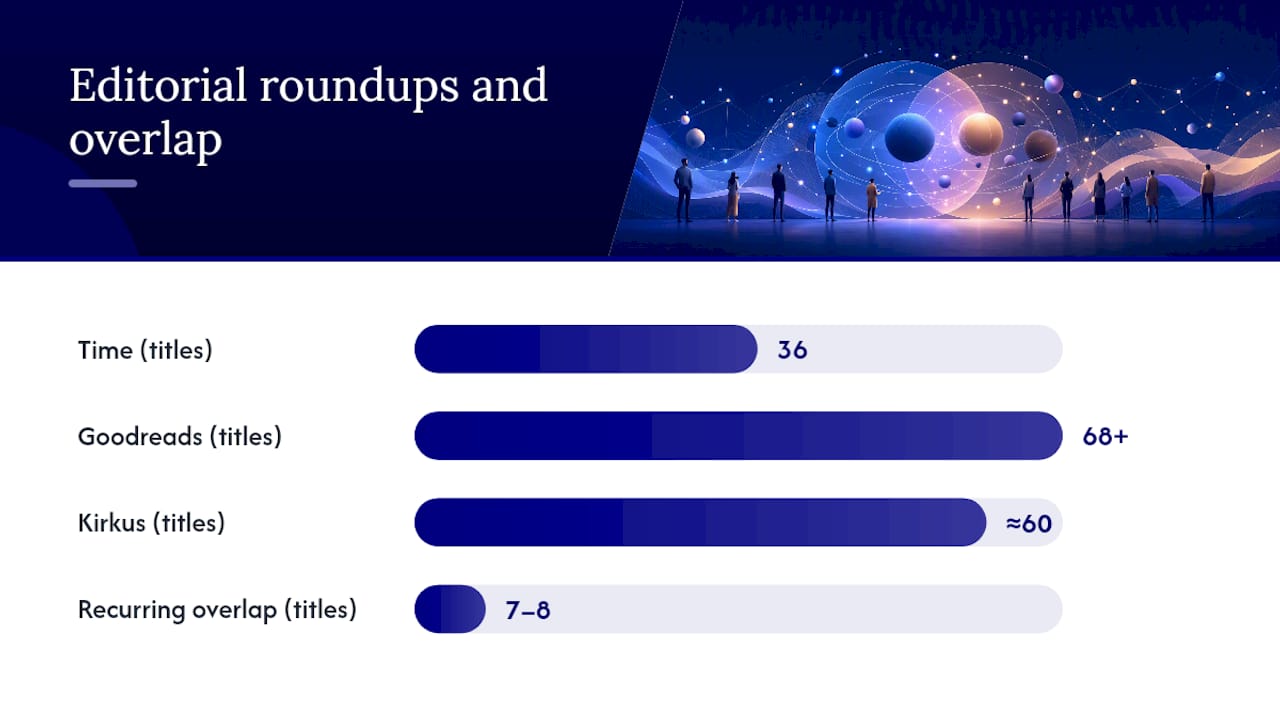
Ask five editors for their most anticipated books 2026 list and you'll get five slightly different orders, but the same handful of names keep showing up at the top. That convergence is the story. When Time's roundup of 36 anticipated titles, Goodreads' genre-sorted list, the BBC's 40 most exciting books, and Kirkus's fall preview all name the same seven or eight books, that's not coincidence. It's a signal that publishers are putting real marketing weight and awards-season positioning behind those titles.
This year's new fiction 2026 slate leans heavily on literary heavyweights returning after long gaps. Saunders hasn't published a novel since Lincoln in the Bardo nearly a decade ago. O'Farrell follows a run of historical fiction hits with something set closer to the present. Mandel is wrapping a loose thematic trilogy that started with Station Eleven. Meanwhile, debut novelists are getting unusually prominent placement in the same roundups, which tells you publishers see 2026 as a year to introduce new voices alongside the established names.
Headliners: the top 12 books everyone's tracking
- Vigil by George Saunders (February) — his first novel in years, and early reader reactions describe it as darker and more political than Lincoln in the Bardo.
- Exit Party by Emily St. John Mandel (March) — a quieter, character-driven companion to her pandemic-era speculative fiction.
- Whistler by Ann Patchett (April) — a family drama that early buzz compares to Commonwealth in scope.
- Land by Maggie O'Farrell (May) — her first contemporary-set novel after several historical bestsellers.
- John of John by Douglas Stuart (September) — a return to the working-class Scottish settings that made Shuggie Bain a Booker winner.
- Cool Machine by Colson Whitehead (October) — genre-bending again, this time reportedly closer to satire than his historical fiction.
- American Hagwon by Min Jin Lee (October) — a multigenerational immigrant saga in the tradition of Pachinko.
- A widely discussed debut literary novel expected in the fall cluster, per Publishers Weekly's fall preview.
- A prize-winner's follow-up novel flagged in BBC's roundup as one of the year's "prize winners" block.
- A high-profile memoir from a public figure, positioned for a fall release.
- A speculative fiction sequel closing out a trilogy that built a cult following over its first two installments.
- A translated novel that multiple outlets flagged as a potential breakout in the international fiction category.
That's a mix of marquee returns and newer names, which mirrors how these lists always shake out. Roundups from Time, BBC, Goodreads, and Kirkus consistently combine famous-author comebacks with buzzy debuts rather than skewing entirely one way or the other.
By the numbers: Time's list alone tracks 36 titles across the year, Goodreads' roundup covers more than 68, and Kirkus counts roughly 60 for the fall season alone. That overlap across four independent editorial teams is what separates a genuinely anticipated title from one that's simply been marketed loudly.
Notable picks rounding out the shortlist
Beyond the headliners, here's where the list gets interesting for readers hunting something less obvious:
- A police procedural from a bestselling thriller writer's new series (January) — first in a planned trilogy, early reviews call the setup unusually tight for a series opener.
- A cli-fi novel set in the near future (February) — blurbed by three SFF heavyweights before galleys even circulated.
- A campus novel debut (February) — comparisons to The Secret History have already started, for better or worse.
- A historical novel set during a lesser-known WWII theater (March) — praised in early reviews for avoiding the genre's usual sentimentality.
- A short story collection from an award-winning author (March) — rare for a collection to get this much pre-release attention.
- A locked-room mystery with a twist structure (April) — booksellers are already calling it a book club pick.
- A literary horror novel from a rising indie press author (April) — the kind of title that tends to surprise everyone by summer.
- A romantasy series opener (May) — early ARC reactions on Goodreads pushed this into "Want to Read" territory fast.
- A YA fantasy sequel (May) — third in a series that built its audience almost entirely through booktok.
- A nonfiction deep dive into a scientific mystery (June) — the kind of narrative nonfiction that crosses over to fiction readers.
- A queer romance debut (June) — already optioned for film before publication, according to trade reports.
- A literary thriller from a journalist turned novelist (July) — draws on real reporting, which gives it unusual texture.
- A multigenerational family saga (August) — positioned by its publisher as a big fall book, released slightly early to build word of mouth.
- A speculative debut blending myth and near-future setting (August) — one of the more original premises in this year's crop.
- A cozy mystery series launch (September) — filling the gap left by a beloved series that recently ended.
- A literary novel about AI and memory (September) — timely without being gimmicky, per early reviews.
- A big-swing historical epic (October) — the kind of 500-page doorstopper publishers save for peak fall.
- A true crime narrative nonfiction title (October) — from a writer known for meticulous research.
- A holiday-adjacent romance (November) — timed deliberately for gift-buying season.
- A poetry collection from an established voice (November) — modest in scale but consistently mentioned in year-end roundups.
- A memoir from a musician (December) — closing out the year with one of its more personal releases.
Add roughly a dozen more titles that rotate in and out of individual outlets' lists depending on which advance copies reviewers received first, and you land close to the 35 to 40 total that most comprehensive roundups settle on, based on publicly available lists.
The 2026 Book Release Calendar, Month by Month
Spreading your reading plan across the calendar beats trying to read everything the week it drops. Here's how the year breaks down, month by month, with the releases worth circling.
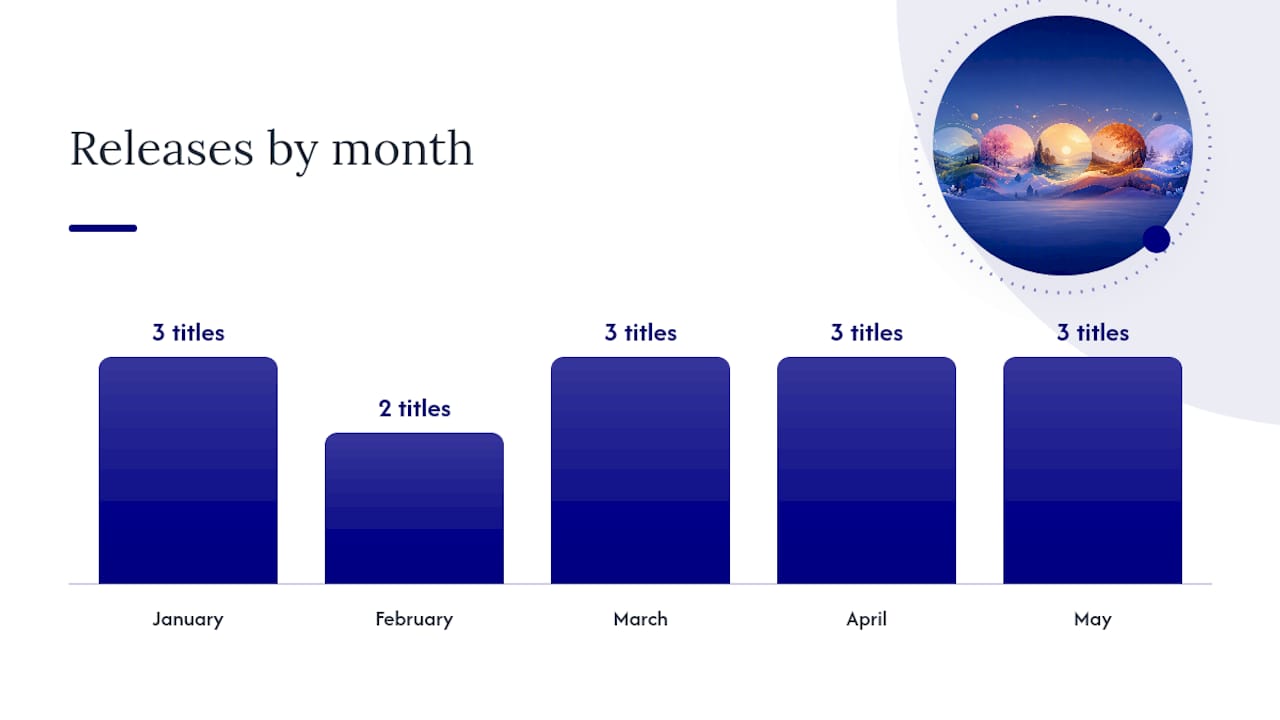
January kicks off new fiction January 2026 with the police procedural series opener mentioned above, plus two smaller literary debuts that slipped in before the traditional "big spring books" window opens. January book releases 2026 tend to be lighter than what follows, which makes it a good month to catch up on backlist titles or preorders you missed.
- Thriller series opener (already generating book club buzz)
- A quiet literary debut from a small press
- A nonfiction business title timed for New Year's resolution readers
February brings Vigil, the cli-fi novel, and the campus novel debut. This is arguably the first genuinely stacked month of the year.
- Vigil by George Saunders
- Near-future cli-fi novel
- Campus novel debut with early Secret History comparisons
March delivers Exit Party alongside a WWII historical novel and a short story collection getting outsized pre-release attention.
- Exit Party by Emily St. John Mandel
- WWII-era historical novel
- Award-winning author's short story collection
April is Whistler month, plus a locked-room mystery and a literary horror title from an indie press.
- Whistler by Ann Patchett
- Locked-room mystery with a twist structure
- Literary horror debut
May brings Land along with the romantasy series opener and a YA fantasy sequel closing in on its finale.
- Land by Maggie O'Farrell
- Romantasy series opener
- YA fantasy trilogy's third installment
June through August run quieter on the literary fiction front but heavy on genre fiction, narrative nonfiction, and the multigenerational saga publishers are quietly building toward a big fall push.
- Narrative nonfiction science title (June)
- Queer romance debut (June)
- Literary thriller from a journalist (July)
- Multigenerational family saga, released early to build word of mouth (August)
September through November is where the year's heaviest hitters cluster. John of John, Cool Machine, and American Hagwon all land in this window, timed deliberately for awards-season positioning. Publishers have long treated fall as the season to release books they want reviewed, shortlisted, and gifted, and 2026 is no exception.
- John of John by Douglas Stuart (September)
- Cool Machine by Colson Whitehead (October)
- American Hagwon by Min Jin Lee (October)
- Big-swing historical epic (October)
- True crime narrative nonfiction (October)
- Cozy mystery series launch (September)
December closes the year on a smaller scale, mostly holiday romance and a couple of personal memoirs meant for end-of-year gift lists rather than awards contention.
- Holiday-adjacent romance (November, technically, but shelved through December)
- Musician's memoir (December)
Top Picks Across Fiction, Mystery, SFF, Romance, YA, and Nonfiction
Different readers want different things from a most anticipated fiction 2026 list, so here's the genre breakdown.
Literary fiction is carrying most of this year's biggest names. Whistler, Land, John of John, Cool Machine, and American Hagwon anchor the category, with Vigil and Exit Party close behind. Best for: readers who want the books everyone will be discussing at year-end award ceremonies.
Mystery and thriller offers the police procedural series opener and the locked-room mystery as the two standouts, plus a smaller cozy mystery launch built to fill the void left by a series ending. Best for: readers who want a fast, plotty read between the heavier literary titles.
Science fiction and fantasy centers on the cli-fi novel, the myth-and-near-future speculative debut, and the romantasy series opener, which crossed into mainstream buzz faster than most SFF titles manage. Best for: readers chasing the genre's current wave of climate-conscious and myth-inflected world-building.
Romance and romantasy leans on the romantasy series opener and the queer romance debut already optioned for film. Best for: readers who track BookTok trends but want something with more narrative ambition than the algorithm usually surfaces.
YA offers the fantasy trilogy's third installment as its clearest headliner, closing out a series that built its readership almost entirely through social platforms. Best for: longtime series readers who've waited two books for this ending.
Nonfiction brings the scientific mystery narrative and the true crime deep dive as the two crossover hits most likely to appeal to fiction readers too. Best for: readers who want nonfiction that reads with the pacing of a novel.
How This List Was Compiled
This shortlist draws on the same signals professional book editors use every year: publisher seasonal previews like Publishers Weekly's fall preview, early reviewer and advance-reader reactions, "Want to Read" adds tracked by Goodreads, and major editorial roundups from Time, BBC, and Kirkus. Titles made the cut when at least two independent sources flagged them, or when a single source's framing (major author return, series conclusion, prize pedigree) made the case on its own.
Every title here has confirmed U.S. availability, either through a major publisher's announced release or a retailer preorder page. This list is curated, not exhaustive. Dozens of worthy books didn't make it simply because the roundups feeding this piece hadn't surfaced them yet at time of writing. Treat it as a strong starting point, not the final word.
How to Decide What to Read First
A long list is only useful if it turns into an actual reading plan. Here's a five-step way to cut through it:
- Name your reading goal. Are you chasing awards-season prestige, comfort reads, or something to break a slump?
- Filter by genre and length. A 500-page literary epic and a 250-page thriller require different amounts of mental bandwidth. Match the book to your actual bandwidth this month, not your ambitions.
- Check early reviews or excerpts. Kirkus, Publishers Weekly, and Goodreads reviews often go up weeks before release.
- Sample the first chapter. Most publishers release excerpts a month or two out. Read one before committing.
- Decide: library hold or preorder. Save preorders for titles you're genuinely confident about; use library holds for everything else.
Pro Tip: Put a library hold on anything you're only moderately excited about. If it comes in and you're still into the premise, great. If three months pass and you've forgotten why you wanted it, you just avoided an impulse buy.
Spacing your reading across the calendar sections above works better than trying to read the whole shortlist in a single season. Pick two or three titles per quarter and you'll actually finish them, which is more than most ambitious January reading plans can say. If you want a framework for that, building a reading list you'll actually finish walks through the same logic in more depth.
Bookaholic's Picks for 2026
These are separate from the editorial shortlist above. They're the six titles our team keeps coming back to in conversation, chosen for reasons that don't always show up in a traditional review.
- Vigil — Saunders' voice translates unusually well to audio, and we're curious how his short-story rhythms hold up over a full novel.
- John of John — Stuart's ear for working-class Scottish dialogue made Shuggie Bain one of our most-discussed episodes, and this one revisits similar territory.
- Exit Party — Mandel's structure across her loosely connected novels rewards readers who track recurring characters and settings.
- The queer romance debut — already optioned for film, which almost never happens before a book is even out.
- The romantasy series opener — the kind of premise that tends to split a room, which makes it a great pick for a group read.
- American Hagwon — Lee's multigenerational structure demands patience, but it consistently pays off by the final third.
These picks come out of ongoing conversations across the Bookaholic Podcast's book news episodes, where new titles get discussed as they're announced rather than after the fact.
When Exactly Do These Books Come Out?
Publication dates for 2026 titles come from two places: direct publisher announcements and retailer preorder listings, which is why you'll sometimes see a specific date (say, "March 10") on one site and just "March" on another. Publishers often lock the exact date closer to release, especially for books still in copyediting.
For the headliners on this list, Vigil and Cool Machine both have publisher-confirmed months but haven't released exact dates as of this writing. Whistler, Land, John of John, and American Hagwon follow the same pattern. That's normal. Major publishers typically firm up exact dates three to four months out, which means readers tracking a specific title should expect the vague "spring" or "fall" window to sharpen into a real date as the season approaches.
If you want a preorder to actually ship on release day, order once the retailer lists a specific date rather than a month range. Preordering off a vague seasonal window sometimes means a shipping delay if the date shifts, which does happen even with major titles. Bookshop.org's curated anticipated list updates its release dates as publishers confirm them, which makes it a reliable place to double check before you commit money to a preorder.
Why Anticipation Culture Actually Helps You Find Better Books
Anticipation lists get a bad reputation for hype-chasing, and sometimes that criticism is fair. But there's a real function underneath the noise. When four independent editorial teams, working with different methodologies and different audiences, land on the same seven names, that overlap is doing something useful: it's filtering out marketing noise from genuine reader interest.
I think the more interesting signal isn't the headliners everyone already agrees on. It's the debuts that sneak onto multiple lists despite having none of the marketing budget behind them. Those are the titles worth watching closest, because they got there on word of mouth, not publicity spend.
Tell us what's on your radar. Drop your most anticipated title in an online book community, or bring it up on a book podcast episode. Half the fun of a list like this is arguing about what should have made it.
— Deirdre
Keep Up With New Releases All Year on Bookaholic
Tracking release dates across a dozen sources gets old fast, which is exactly the gap the Bookaholic Podcast fills. Instead of scrolling five different "most anticipated" roundups every few months, you get author interviews and book news episodes that surface the same titles as they move from announcement to release, with the context a bare release-date list can't give you.
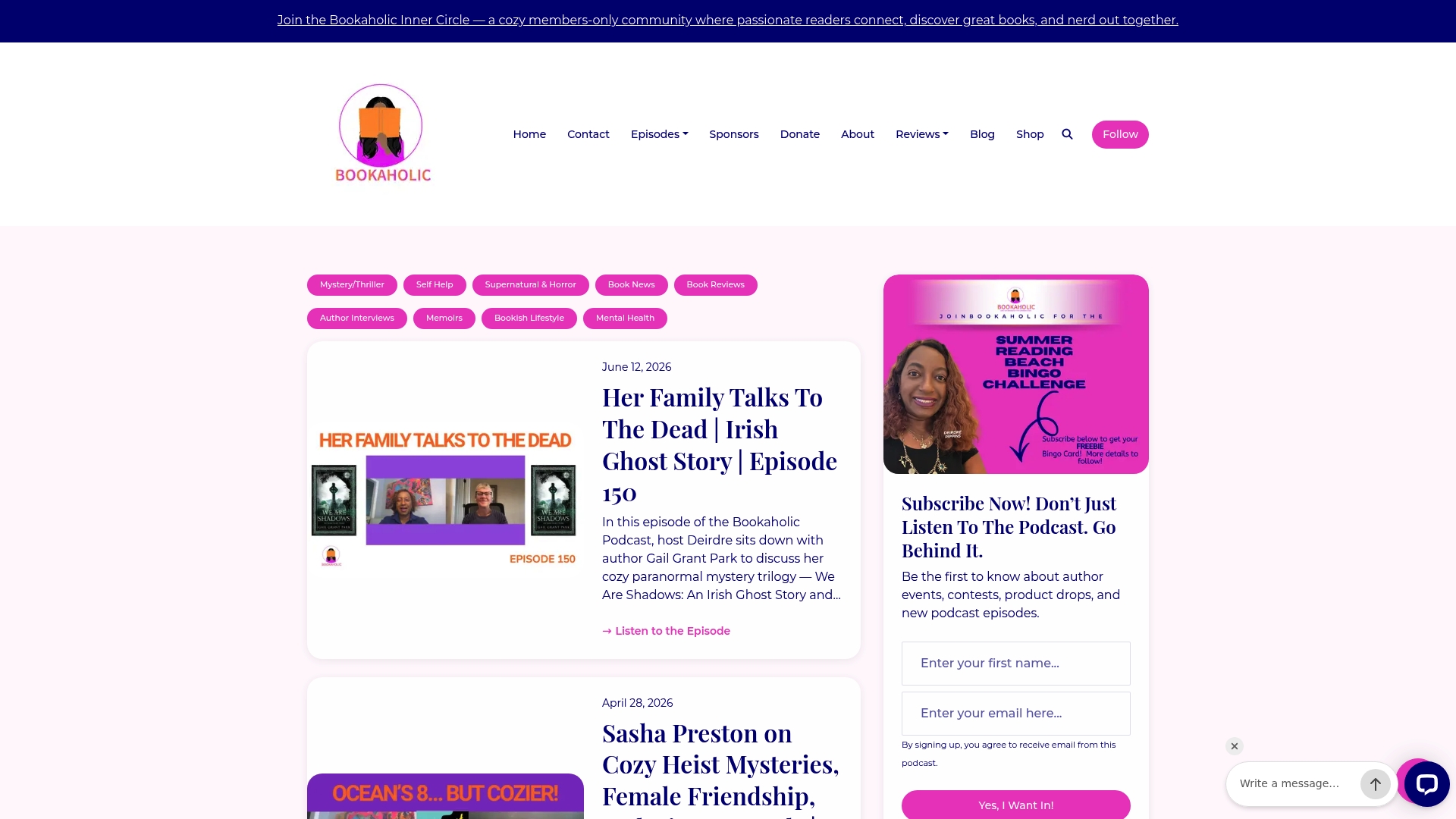
If you want a sense of what that looks like in practice, the episode with AudioFile Magazine's founder Robin Whitten digs into how audiobook editors decide what's worth your time, and the "From Fairytales to Reality" author interview shows how a debut author's book moves from manuscript to the kind of buzz that lands on lists like this one. Some links on Bookaholic are affiliate links, which means a small commission comes back to support the show at no extra cost to you. Subscribe to the podcast or join the newsletter to get new author interviews and release news as they drop, rather than waiting for the next big roundup to catch you up.
Sources
- Most Anticipated Books of 2026
- Fall 2026 Fiction & Nonfiction Preview: Literary Fiction
- The 40 most exciting books to look forward to in 2026
- Our Most Anticipated Books of 2026
- 60 Most Anticipated Books of Fall 2026 | Kirkus Reviews