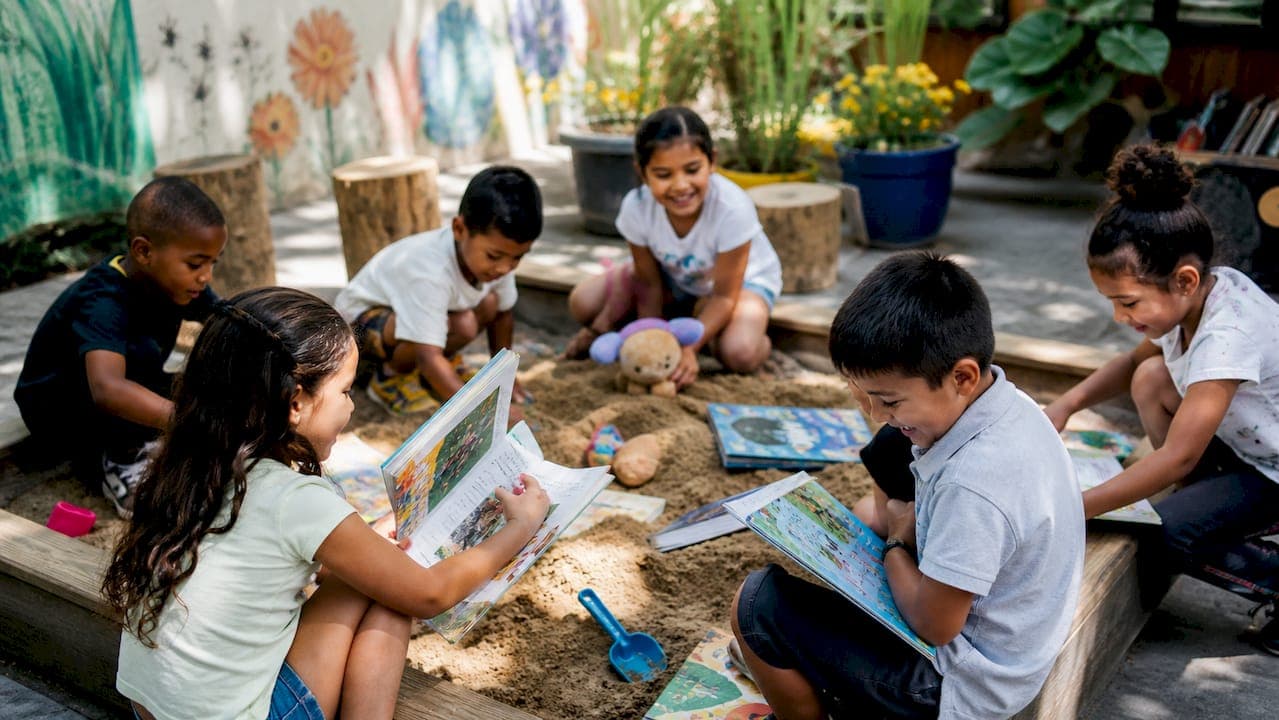
Two programs anchor summer reading 2026: the Collaborative Summer Library Program's "Unearth a Story" theme, adopted by libraries nationwide, and the White House Summer Reading Challenge, which asks K–8 readers to finish 12 books between June 1 and September 4, 2026. Start now: download the free ALSC 2026 booklists, grab a reading log, and check your local library's calendar for kickoff events. The White House submission window closes at 11:59 PM ET on September 4, 2026, so mark it before summer gets away from you.
TL;DR:
- The White House Summer Reading Challenge requires K-8 students to read and log 12 books between June 1 and September 4, 2026, with submission deadlines and prizes.
- Local libraries promote the CSLP's "Unearn a Story" theme through various events, craft kits, and themed activities, though programs vary by community.
- ALSC provides four age-specific PDFs with carefully curated booklists for different grade levels, emphasizing titles with lasting appeal and accessibility options.
- Retailer lists from stores like Barnes & Noble focus on popular and trending books, complementing the more curated and educational ALSC and library offerings.
- Families and educators should start early, use printed or digital logs to track progress, and diversify formats like audiobooks and short stories to ensure consistent summer reading.
Table of Contents
- What Are the Official Summer Reading 2026 Programs?
- Where Can You Download the 2026 Summer Reading Lists?
- How Do You Find Local Library Programs and Retailer Lists?
- How Do You Track and Complete a Summer Reading Program?
- A Podcast Host's Take on Keeping Kids Reading All Summer
- Where to Download Official 2026 Program Materials
- Keep the Momentum Going With the Bookaholic Podcast
- Sources
What Are the Official Summer Reading 2026 Programs?
Three organizations shape most of what you'll see in libraries, schools, and bookstores this summer. Knowing who runs what saves you from digging through a dozen websites trying to figure out which list actually matters for your family or classroom.
The Collaborative Summer Library Program, known as CSLP, sets the national theme most public libraries build their summer around. For 2026, that theme is "Unearth a Story," a dig-and-discover concept that shows up in poster art, reading logs, craft kits, and program names at thousands of libraries. CSLP doesn't run individual events. It licenses artwork and toolkits that local libraries adapt to their own space, staff, and community. That's why you might see "Unearth a Story" branded differently from one town to the next, even though the underlying theme is identical.
The White House Summer Reading Challenge is a separate, federally promoted initiative aimed squarely at K–8 students. The goal is straightforward: read and log 12 books between June 1 and September 4, 2026. Kids who finish and submit their log by the deadline earn a digital certificate, a personalized letter, and a commemorative America 250th bookmark, plus entry into a prize drawing. Unlike CSLP's theme-driven approach, this challenge is a straight page-count goal with no genre restrictions, which makes it easy to layer on top of whatever your library or school is already doing.
The National Library Service, part of the Library of Congress, rounds out the picture with resources built for readers who need accessible formats. NLS provides summer reading materials in braille, audio, and large print, which matters if your household or classroom includes readers with visual impairments or print disabilities. It's easy to overlook NLS if you're only searching "summer reading list," but for families managing accessibility needs, it's often the most useful stop.
Here's how the three break down side by side:
- CSLP: Sets the national theme and artwork; individual libraries run their own local events under it.
- White House Challenge: A 12-book goal for K–8 readers, tracked June 1 through September 4, 2026, with prizes tied to submission.
- NLS: Accessible-format resources (braille, audio, large print) for readers who need them, independent of the other two programs.
Most families will interact with all three at some point this summer, even if they only realize it in hindsight.
Where Can You Download the 2026 Summer Reading Lists?
ALSC, the Association for Library Service to Children, publishes the booklist most librarians and parents actually use to pick titles. The 2026 lists arrive as four free PDFs, split by age and grade so nobody has to guess whether a title is developmentally appropriate.
The four segments are:
- Birth–PreK: Board books and picture books built for read-aloud sessions and early vocabulary building.
- Kindergarten–Grade 2: Early readers and short chapter books that support decoding skills without losing story appeal.
- Grades 3–5: Middle-grade fiction and nonfiction for kids reading independently and ready for longer plots.
- Grades 6–8: Upper middle-grade and early YA titles that handle more complex themes and character development.
These aren't crowdsourced or algorithm-generated. They come from ALSC's Quicklists Consulting Committee, made up of practicing children's librarians who read widely across genres before narrowing each list down. That curation process is why the lists lean toward titles with staying power rather than whatever's trending on social media that week. Many titles are also available in ebook, audiobook, braille, or large print, a detail worth checking before you commit a family to a title only available in hardcover.
Building a family reading plan from these PDFs is mostly a matter of matching grade level to child, then letting interest do the rest. Pull two or three titles per kid from their grade-level PDF, mix in one wildcard from a level up or down if a kid reads ahead or prefers easier books during summer, and you've got a working list without spending hours browsing. Educators can do the same thing across a whole classroom by printing the relevant PDF and letting each student circle their top three picks.
How Do You Find Local Library Programs and Retailer Lists?
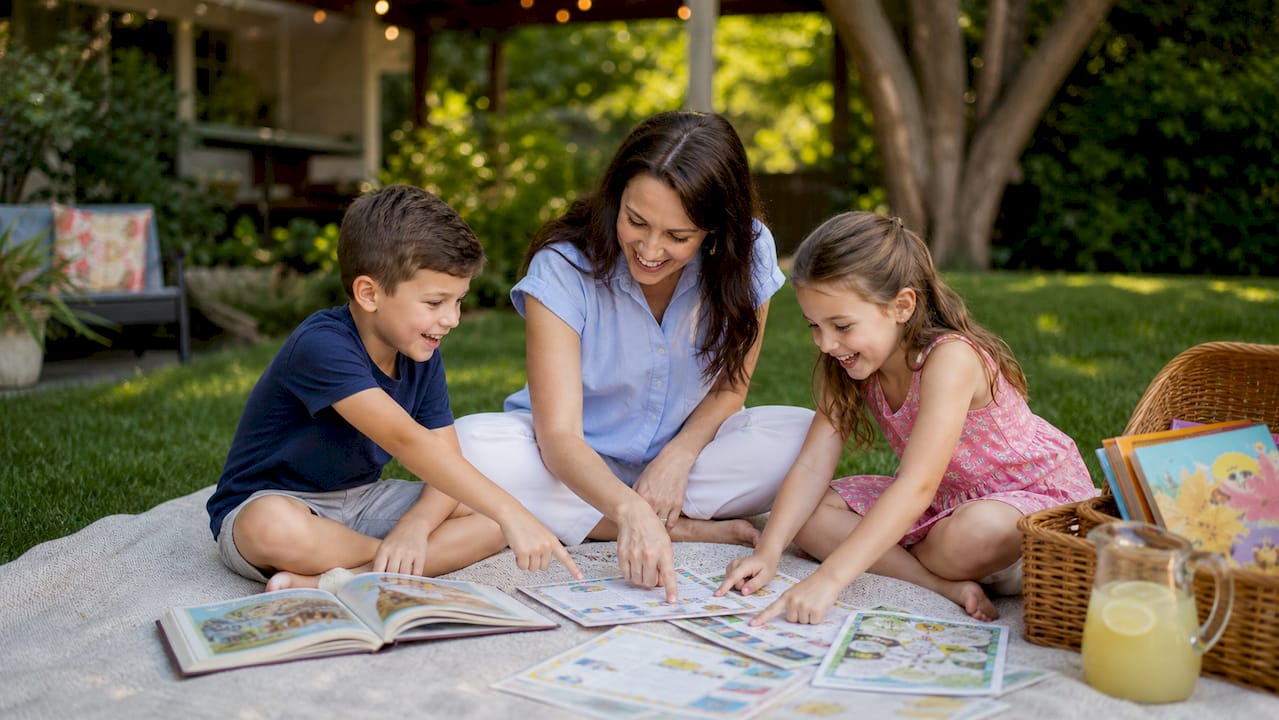
Official national themes only tell half the story. The other half happens at your local branch, where librarians turn "Unearth a Story" into bingo cards, scavenger hunts, and pickup bags of themed activities.
- Check your library's event calendar online first. Most public library systems post summer reading kickoff dates, weekly story times, and registration deadlines by early May.
- Ask about bingo cards and reading logs at the front desk. Many branches print physical logs tied to the CSLP theme, separate from any digital tracker you might use for the White House challenge.
- Call or email the children's librarian for age-specific programming. Branches often run separate tracks for toddlers, elementary kids, and teens, and staff can point you to the right one faster than a website search.
- Register early if a program caps participation. Popular branches sometimes limit craft supplies or prize inventory, so signing up in the first two weeks avoids disappointment.
Retailer lists fill a different gap. Barnes & Noble and independent bookstores publish their own summer reading roundups every year, and those lists lean toward what's popular and newly published rather than what fits a specific grade band. They're a good source if you want new beach reads 2026 has to offer or trend-driven YA titles that won't show up on a librarian-curated PDF for another year or two. Think of retailer lists as the browsing aisle and ALSC's lists as the reference shelf. Both matter, but they answer different questions.
How Do You Track and Complete a Summer Reading Program?
Meeting the White House challenge or running a library program isn't complicated, but skipping a step tends to cause problems right at the deadline.
For families working toward the 12-book goal:
- Pick a mix of books early, using the ALSC lists or your library's picks as a starting point so you're not scrambling for titles in August.
- Log each book as it's finished, noting title, format, and date, rather than trying to reconstruct the summer from memory in early September.
- Check progress at the halfway point, roughly mid-July, and adjust if you're behind, swapping in shorter books or audiobooks to catch up.
- Submit the completed log by 11:59 PM ET on September 4, 2026, since the White House challenge verifies entries electronically and late submissions won't qualify for the certificate or prize drawing.
For educators and librarians setting up a program:
- Promote the CSLP theme early, using the provided artwork so families recognize signage and materials across the branch or classroom.
- Tie activities directly to "Unearth a Story," whether that's a fossil dig sensory bin for preschoolers or a mystery-solving scavenger hunt for older kids.
- Track participation with a simple spreadsheet that records reader name, book title, format, and completion date. This single habit prevents most verification headaches when prize submissions come due.
- Set internal milestones, like a mid-summer check-in event, to keep momentum from dying in the dog days of July.
Pro Tip: Build in a buffer week before the actual deadline. Families who submit their logs a week early almost never run into the "system's down" or "I forgot the exact date" scramble that hits everyone else on September 4.
The most common pitfalls are incomplete logs (missing titles or dates) and last-minute submissions that miss the electronic cutoff entirely. Both are avoidable with a running tracker instead of a mental tally.
A Podcast Host's Take on Keeping Kids Reading All Summer
Programs and lists only work if the reading actually happens, and in my experience covering books and authors for a living, the single biggest lever is choice. Handing a kid a list and saying "pick three" beats assigning three titles every time, even if the list is librarian-curated and objectively excellent.
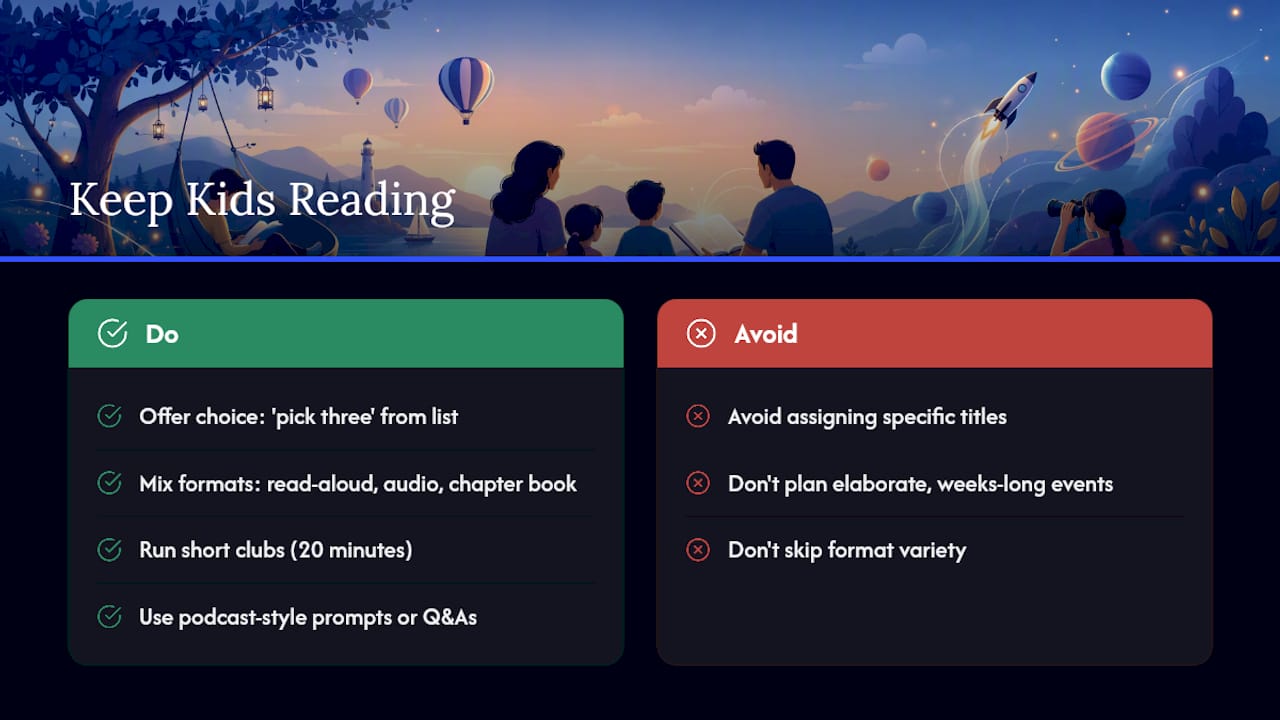
Mix formats too. A read-aloud before bed, an audiobook in the car, and an independent chapter book during quiet time cover more reading styles than any one format alone, and they all count toward a challenge log.
For libraries and classrooms, small structures beat big productions. A 20-minute book club built around one CSLP-themed title, a short episode-style discussion prompt borrowed from a podcast format, or a virtual Q&A template with a local author can do more for engagement than an elaborate one-off event that takes weeks to plan.
— Deirdre
Where to Download Official 2026 Program Materials
Everything you need to get started sits behind a handful of official links, no account creation or search-engine detective work required.
- ALSC 2026 Summer Reading Lists — four free PDFs by age and grade, ready to print or share digitally.
- White House Summer Reading Challenge — official rules, dates, and the reading log for the 12-book K–8 goal.
- CSLP theme resource center — "Unearth a Story" artwork, toolkits, and promotional materials for libraries.
- NLS summer reading resources — accessible-format materials including braille, audio, and large print.
Bookmark these four pages before summer starts. They cover the reading log, the theme art, and every downloadable list you'll need without digging through search results later.
Keep the Momentum Going With the Bookaholic Podcast
Official lists and library programs give you the framework, but sustaining a summer's worth of reading often comes down to having fresh recommendations on hand when a book gets finished early. That's where the Bookaholic Podcast fits in as a companion, not a replacement, for the programs above.
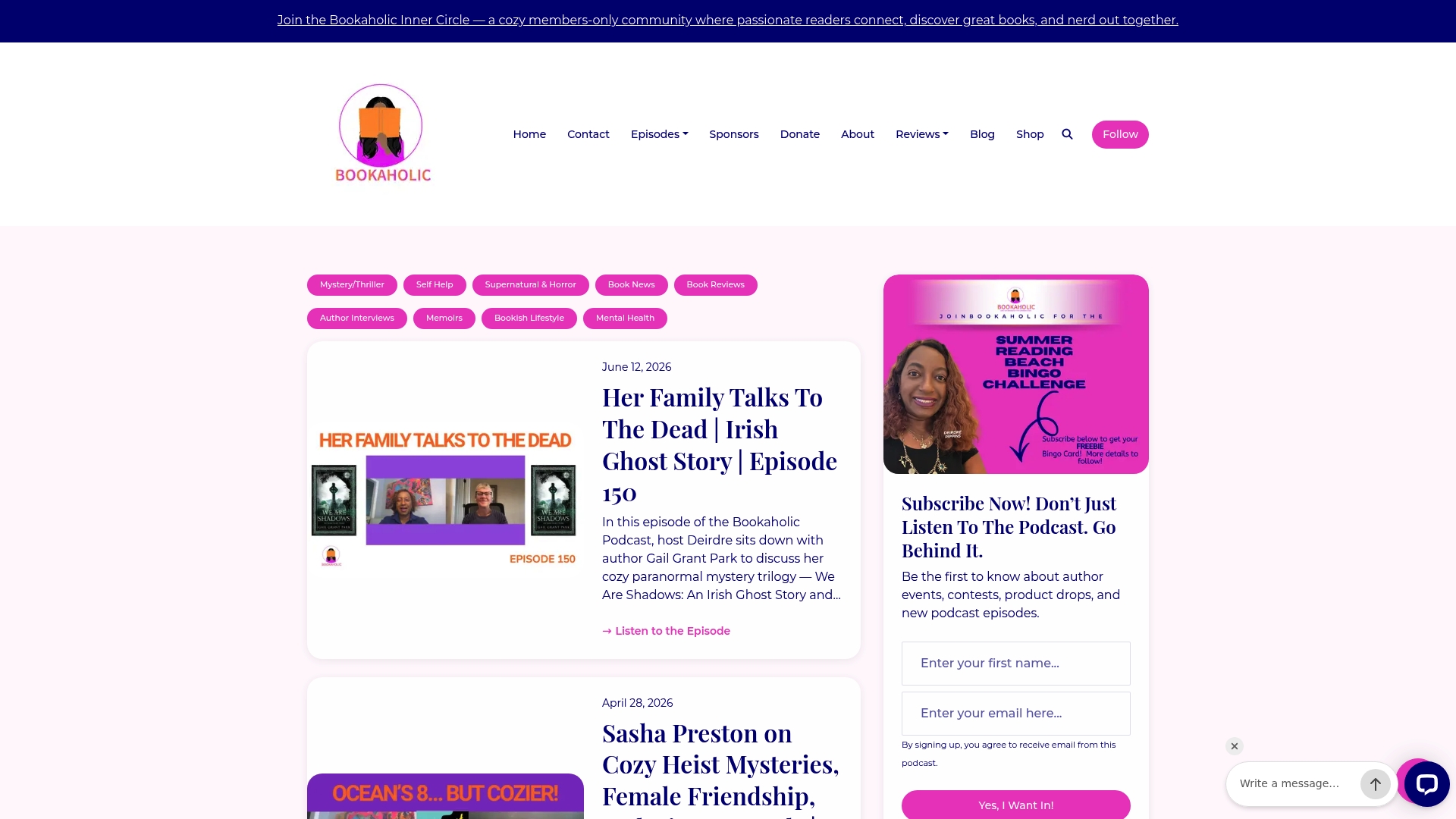
Episodes feature author interviews, in-depth book reviews, and themed playlists that make it easy to find the next title once a kid or adult finishes their current pick. A themed episode on middle-grade mysteries pairs naturally with the ALSC Grades 3–5 list, and a summer beach-read roundup can fill in gaps once the "official" list is exhausted. Educators and parents running a family book club can pull discussion prompts straight from an episode instead of building questions from scratch, and a guest-author segment works well as a lower-effort substitute for an in-person Q&A. Browse the Book Recs podcast page for playlists organized by age and genre, and use them to fill the space between official reading log check-ins.
Sources
A strong summer reading list mixes categories rather than sticking to one genre for ten weeks straight. Here's how to think about the buckets, along with what makes each one worth including.
Picture books for read-aloud time. These work best for kids under six who are still building listening stamina and vocabulary. A book doesn't need to be long to do a lot of work here. Read-alouds with rhythmic language or repeated phrases tend to hold attention longest during hot afternoon lulls.
Middle-grade discovery books. Grades 3 through 5 respond well to adventure and mystery plots that reward curiosity, which lines up neatly with CSLP's dig-and-discover theme this year. Look for series starters, since kids who finish one book in a series often plow through the rest without prompting, which helps rack up progress toward the White House challenge's 12-book goal almost by accident.
YA coming-of-age reads. Grades 6 through 8 and up benefit from stories that treat their emotional lives seriously. Summer is often when teens read for pleasure rather than assignment, so give them room to pick books that don't feel like homework.
Adult beach reads. For the grown-ups in the house, light summer reads 2026 offers plenty of options in contemporary fiction, cozy mysteries, and character-driven romance. These are the best beach reads 2026 has produced if you want something absorbing but not demanding, ideal for a pool chair or a plane ride.
Nonfiction curiosity picks. Not every reader wants fiction. Nature guides, biographies, and accessible science books can pull in kids and adults who'd rather read about something real than invented.
Short story collections for reluctant or time-strapped readers. If a full novel feels like a lot to commit to, short dystopian fiction offers a way to knock out a "book" in an evening, which works well for teens chasing a 12-book count without a lot of free time.
On format: audiobooks count toward most reading challenges, including the White House goal, and they're worth leaning on for reluctant readers or long car rides. Large-print and multilingual editions are increasingly common across the ALSC lists too.
By the numbers: ALSC's 2026 booklist is split into exactly four age-segmented PDFs, covering Birth–PreK, Kindergarten–Grade 2, Grades 3–5, and Grades 6–8, a structure that makes it simple to match books to a specific reader instead of scrolling through one giant undifferentiated list.
- White House — Summer Reading Challenge (2026)
- ALSC — 2026 Summer Reading Lists
- Collaborative Summer Library Program (CSLP)