The Book Club for Troublesome Women is defined as a 2026 historical fiction novel by Marie Bostwick that follows four women in 1963 Virginia who form a book club after reading Betty Friedan's The Feminine Mystique, sparking personal and collective feminist awakenings. The novel sits at the intersection of women's fiction and literary activism, making it one of the most discussion-ready books published this year. If you are looking for fiction that challenges, connects, and moves you, this is the novel your reading group needs. Book-a-holic has covered feminist fiction across dozens of episodes, and this title stands apart for the depth of conversation it generates.
What is the story and setting of The Book Club for Troublesome Women?
The novel is set in 1963 in Concordia, a fictional Virginia suburb, and its entire arc unfolds over one consequential year. That tight timeline creates real narrative pressure. Every chapter feels like a clock ticking toward something irreversible.
The four central characters are Margaret, Charlotte, Viv, and Bitsy. They call themselves "the Bettys," a nod to Betty Friedan, whose The Feminine Mystique serves as the catalyst for their group. Each woman carries a distinct burden shaped by the era's rigid expectations for wives and mothers.
Here is what you need to know about each character's situation:
- Margaret is the group's quiet anchor, wrestling with a marriage that has slowly hollowed her out.
- Charlotte is sharp and restless, the one most likely to say out loud what the others only think.
- Viv has a genuinely supportive husband, which makes her own dissatisfaction harder to name and harder to explain.
- Bitsy faces infertility at a time when a woman's worth was measured almost entirely by motherhood.
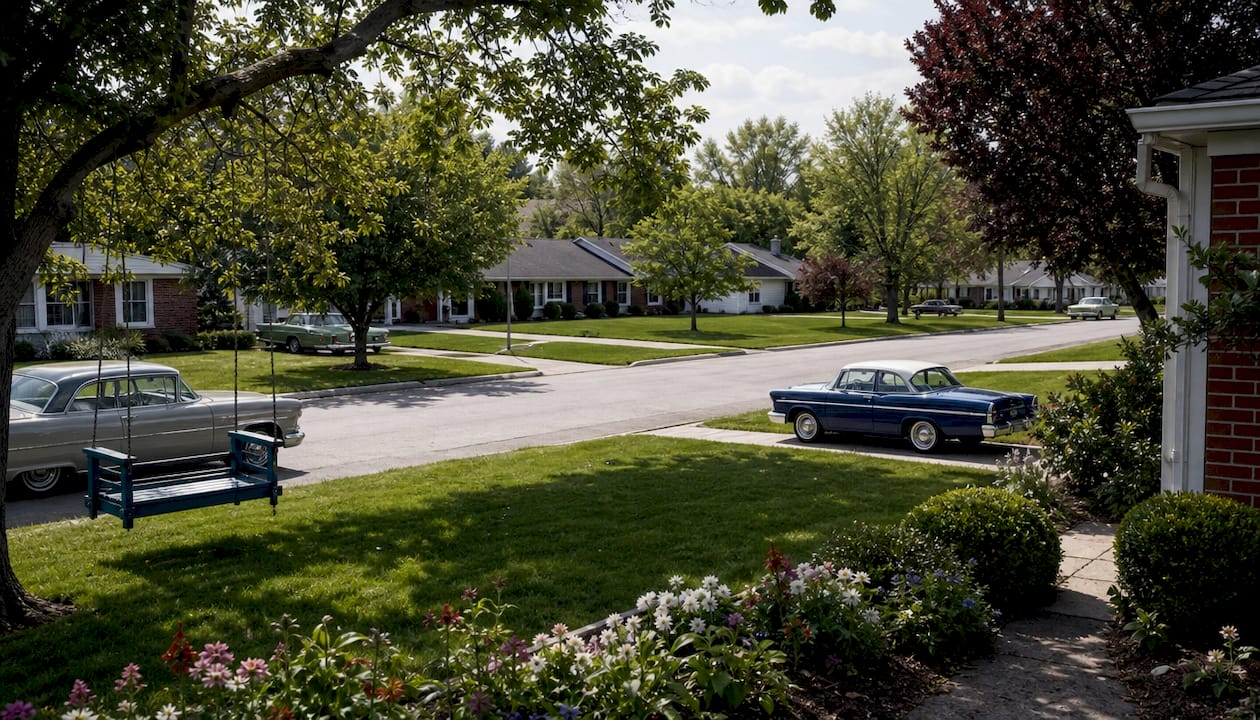
The setting is not just a backdrop. Concordia represents every postwar American suburb built on the promise that a nice house and a good husband were enough. Bostwick uses the physical space of the neighborhood to show how isolation works. These women live within walking distance of each other and still feel completely alone until the book club changes that.
What major themes and feminist issues does the novel explore?
The novel's central argument is that the lives society encouraged women to build in the 1960s often had nothing to do with what those women actually wanted. That tension drives every scene. Bostwick does not let the reader settle into easy outrage. She makes the discomfort specific and personal.
The themes the book tackles most directly include:
- Patriarchy and gender roles: The novel shows how social norms operated not through dramatic confrontations but through quiet, daily erosion of women's ambitions and identities.
- The Feminine Mystique as a catalyst: Betty Friedan's 1963 book named "the problem that has no name," and Bostwick uses it as the spark that turns four isolated women into a community.
- Motherhood and infertility: Bitsy's storyline is the novel's most emotionally raw thread. The book forces a re-examination of whether the lives society prescribes actually fit women's true desires.
- Mental health and suicide: These topics appear with real weight. They are not plot devices. They reflect the genuine psychological cost of suppression.
- Civil rights and the American Dream: The novel situates its feminist story inside the broader social upheaval of the early 1960s, giving the book a wider historical conscience.
One of the novel's most thoughtful choices is its nuanced male character portrayals. Viv's husband is genuinely kind. His presence complicates the narrative in the best way. When not every man is a villain, readers have to think harder about how systems of oppression actually function. That complexity is what makes this novel so well suited to serious book club discussion.
Pro Tip: Before your group meets, ask each reader to identify one male character they found sympathetic and one they found troubling. That single question opens up the novel's most layered conversations about gender and power.
How can book clubs use this novel for meaningful discussions?
The novel is built for group conversation. Its structure gives every reader a character to identify with and a theme to push back against. The key is creating the conditions where honest dialogue can happen.
Start with content warnings. The book addresses mental illness and suicide directly, and some readers will need to know that before they arrive. Issuing a clear warning in your meeting invitation is not a spoiler. It is good hosting. It signals that your group takes the material seriously and cares about everyone in the room.
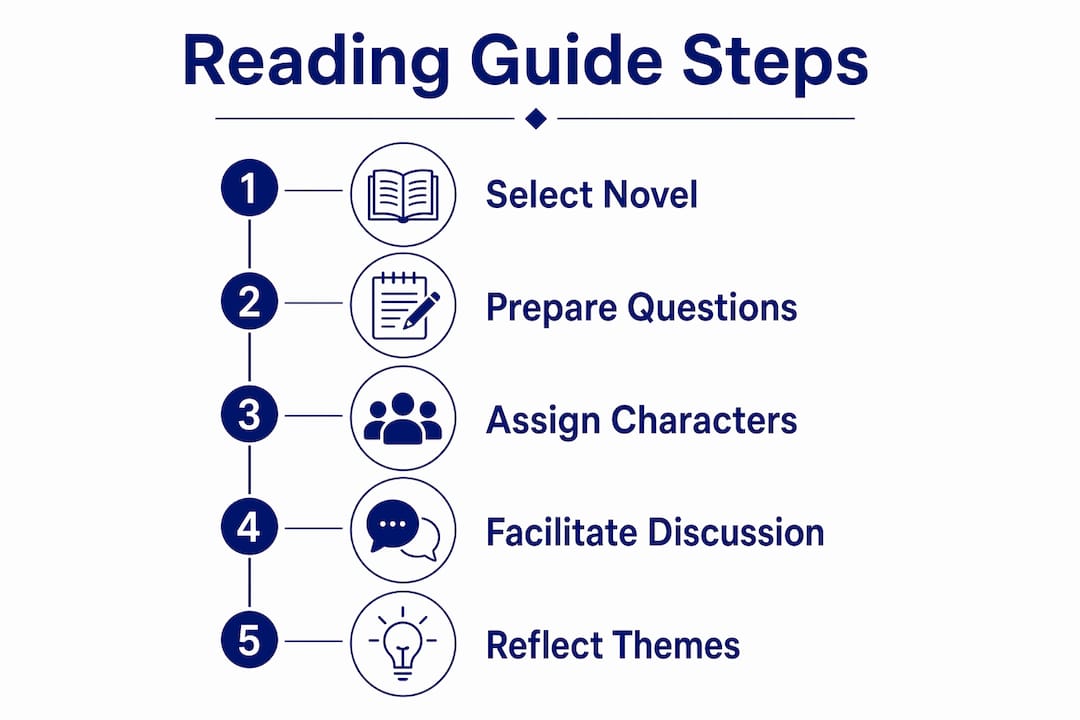
Follow these steps to structure a meeting that goes deeper than surface-level plot recap:
- Open with a personal connection question. Ask readers which character's situation felt most familiar and why. This grounds the conversation in lived experience before moving to broader themes.
- Use the official discussion guide. Marie Bostwick offers a free downloadable party kit on her website that includes discussion questions, thematic cocktail recipes like vodka stingers, food suggestions, and a 1960s-themed playlist. The atmosphere it creates is genuinely immersive.
- Pair the novel with a companion text. Mary McCarthy's The Group appears inside the novel itself and deepens the thematic exploration of mid-century women's consciousness. Reading both gives your group a richer comparative lens.
- Reserve time for the uncomfortable questions. The novel asks whether the American Dream was ever designed with women in mind. That question deserves real airtime, not a quick mention before you move on to dessert.
- Close with a forward-looking prompt. Ask what has changed since 1963 and what has not. That question connects the historical fiction to your readers' present lives and is where the most memorable conversations tend to happen.
Pro Tip: If your group is new to feminist fiction, read one chapter of Betty Friedan's The Feminine Mystique before your meeting. Even ten pages gives readers the historical grounding to understand exactly what the Bettys were reacting against.
Where can readers find resources for organizing a meeting?
The resources available for this novel are unusually good. Marie Bostwick has clearly thought about the book club experience as part of the book's life in the world.
The free party kit from Bostwick's official website is the place to start. It includes discussion questions, a curated playlist, and food and drink suggestions that match the novel's 1960s setting. For groups that want more, independent digital kits are available on platforms like Etsy, with discussion kits priced from approximately $3.25 to $5.10. These printable kits typically include additional question sets and themed activity ideas.
For readers who prefer audio, the audiobook is narrated by Lisa Flanagan with a runtime of 11 hours and 10 minutes. It has earned strong audience ratings, with 3,416 ratings recorded as of mid-2026. That rating volume signals a wide and engaged readership, which means your group will find no shortage of online discussion threads and reader perspectives to draw from.
The novel is available in hardcover, paperback, and audiobook editions. Groups with members who commute or prefer listening can sync up with the audiobook without missing any of the story's texture. Flanagan's narration is widely praised for capturing the distinct voices of all four main characters.
Key Takeaways
The Book Club for Troublesome Women is the most discussion-ready feminist novel of 2026, combining historical depth, nuanced characters, and free facilitator resources that make it ideal for any women's reading group.
| Point | Details |
|---|---|
| Core premise | Marie Bostwick's 2026 novel follows four women in 1963 Virginia whose book club sparks feminist awakenings. |
| Thematic depth | The novel tackles patriarchy, infertility, mental health, and civil rights with specificity and emotional honesty. |
| Discussion resources | A free party kit from the author includes discussion questions, cocktail recipes, and a 1960s playlist. |
| Content warnings | Groups should flag themes of mental illness and suicide before meetings to maintain a safe space. |
| Companion reading | Pairing the novel with Mary McCarthy's The Group enriches the mid-century feminist conversation significantly. |
Why this novel still matters right now
I have read a lot of historical fiction about women's lives in the mid-20th century. Most of it keeps a careful distance from the present. The Book Club for Troublesome Women does not. That is what makes it land differently.
What strikes me most is how the novel refuses to let the 1960s feel safely distant. The question Bostwick keeps asking, whether the life you were handed is the life you actually want, is not a historical question. It is a live one. Every woman I know has had some version of that reckoning. The novel just gives it a setting and four very specific faces.
The book is described as a "love letter to literary activism," and I think that framing is exactly right. Reading together is not a passive act. When a group of women sits down to talk honestly about what these characters wanted and what they were denied, something shifts. That is the whole point of the Bettys' club, and it is the whole point of yours.
What I tell every book club I talk to on Book-a-holic is this: the books that generate the best conversations are the ones that make you a little uncomfortable. This novel qualifies. Go in ready to be challenged, and bring your most honest self to the table.
— Deirdre
Book-a-holic and feminist fiction for your reading group
Readers who connect with the themes in this novel tend to want more. More books that take women's inner lives seriously. More conversations that go past the plot and into the real questions.
Book-a-holic is built for exactly that. The Book Recs Podcast covers feminist fiction, historical women's stories, and author interviews that give book clubs the context they need to go deeper. Deirdre Pippins brings the same directness and warmth to every episode that the Bettys bring to their meetings. Subscribe to stay current on the best new reads in women's fiction, and bring those picks back to your group.
FAQ
What is The Book Club for Troublesome Women about?
The Book Club for Troublesome Women is a 2026 historical fiction novel by Marie Bostwick set in 1963 Virginia. It follows four women who form a book club after reading Betty Friedan's The Feminine Mystique and spend one year challenging the social expectations that have defined their lives.
Who are the main characters in the novel?
The four main characters are Margaret, Charlotte, Viv, and Bitsy, who call themselves "the Bettys." Each woman faces distinct personal struggles shaped by the rigid gender roles of early 1960s suburban America.
Where can I find discussion questions for this book?
Marie Bostwick offers a free downloadable Book Club Party Kit on her official website that includes discussion questions, thematic cocktail recipes, and a 1960s playlist. Independent digital kits with additional questions are also available on Etsy for approximately $3.25 to $5.10.
Is the audiobook version of this novel good for book clubs?
The audiobook, narrated by Lisa Flanagan, runs 11 hours and 10 minutes and has received strong audience ratings with over 3,400 ratings recorded as of mid-2026. It works well for groups with members who prefer listening over reading.
What books pair well with this novel for a book club?
Mary McCarthy's The Group is the strongest companion read. It appears within the novel itself and deepens the exploration of mid-century women's consciousness, giving book clubs a rich comparative framework for discussion.